Back pain is one of the most common reasons people seek treatment. It can develop from muscular tension, poor posture, repetitive movements, prolonged sitting, physical strain, injury, or problems involving the spinal discs.
Sciatica is another common form of back-related pain. It occurs when irritation or pressure affects the sciatic nerve, creating pain, tingling, numbness, burning, or other sensations that can travel from the lower back into the leg.
Acupuncture provides an effective approach to both acute and chronic back pain and can be especially useful when muscular tension, inflammation, restricted movement, or nerve irritation contribute to the problem.
This article explains the different types of back pain and sciatica, how acupuncture and Balance Method Acupuncture are used to treat them, and how Recall Healing can address the subconscious emotional patterns connected with chronic symptoms.
Effective Back Pain & Sciatica Treatment
Approximately 80% of people experience back pain at some point in their lives. Back pain is one of the most common conditions treated with acupuncture, physiotherapy, chiropractic care, massage, and other therapeutic approaches.
There is an important difference between an occasional muscular backache and chronic back pain associated with a disc problem.
Back pain can originate from the muscles and soft tissues surrounding the spine, or it can involve the spinal discs, joints, and nerves.
Identifying the source of the pain is an important first step in determining the most effective treatment approach.
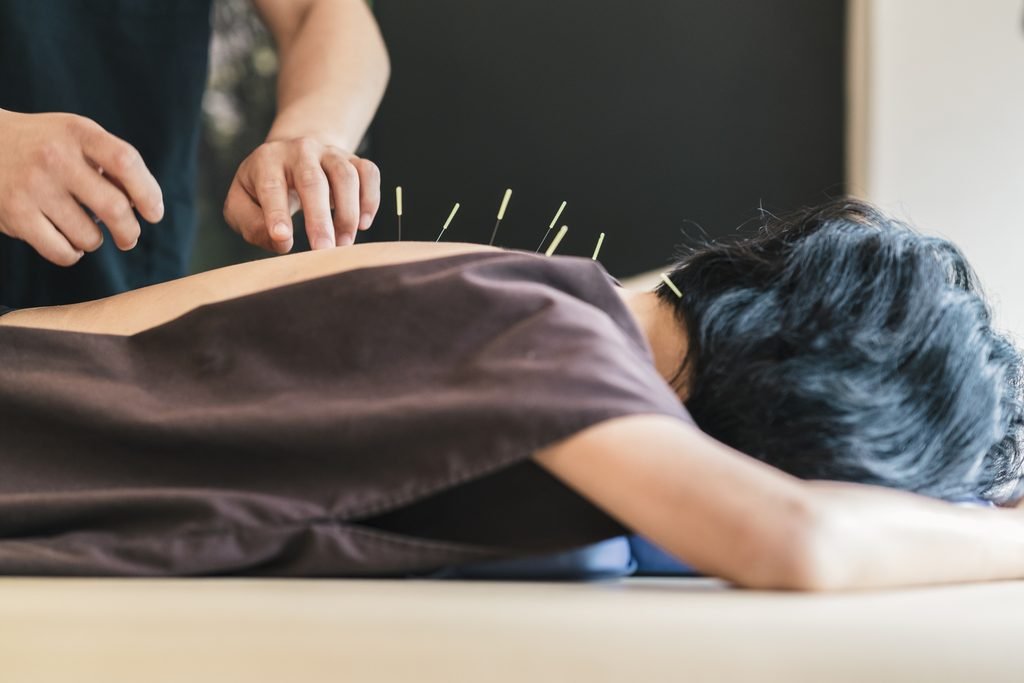
The Difference Between Backache and Disc Herniation
There are many causes of back pain, but they can generally be divided into two broad categories:
- Muscular back pain related to tension, strain, or spasm in the muscles and surrounding tissues.
- Spinal back pain related to conditions such as a bulging or herniated disc.
Understanding the difference helps determine how treatment should be approached.

Muscular Back Pain
Much back pain is related to muscular tension.
Healthy muscles should be flexible and able to contract and relax as needed. When muscles, ligaments, or tendons become tight and inflexible, they can develop constant tension. Poor posture, improper movement, lack of exercise, prolonged sitting, physical strain, and emotional stress can all contribute to muscle tension and spasms.
A strained or spasming back muscle can cause severe pain and significantly restrict movement. In some cases, the pain can make it difficult to stand, walk, or perform normal daily activities. Muscular back pain is usually localized to the back, although surrounding muscles can also become involved.
Two Types of Muscular Back Pain
Chronic Back Pain
Chronic back pain can remain at a relatively low level for months or years. Because the discomfort becomes familiar, many people learn to live with it rather than addressing the underlying problem.
Over time, chronic tension can affect posture, movement, and the way pressure is distributed through the spine.
Acute Back Pain
Acute back pain often develops suddenly after a strain, improper movement, lifting, physical exertion, or another injury.
The muscles can enter a strong protective spasm, producing intense pain and restricted movement.
Acute back pain often improves within days or weeks, but treatment can significantly reduce pain and help restore movement.
When back pain repeatedly returns or becomes chronic, addressing the underlying muscular, mechanical, and lifestyle factors becomes particularly important.
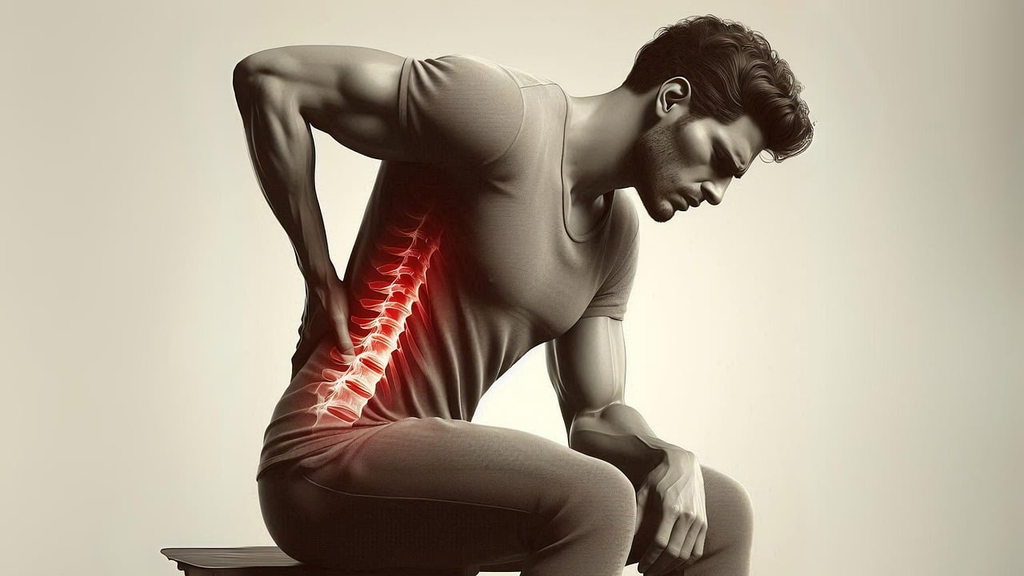
What Is a Disc Herniation?
Between the vertebrae of the spine are discs that function as cushions and help absorb the forces placed on the spine.
Each disc consists of an outer layer surrounding a softer inner material. When the outer portion becomes damaged, the inner material can protrude through the damaged area. This is known as a herniated disc.
A bulging disc occurs when the disc extends beyond its normal position without the same type of rupture.
Both conditions can irritate surrounding tissues or nerves and can produce significant pain.
Understanding the Vertebrae
The spine consists of:
- 7 cervical vertebrae — C1 to C7
- 12 thoracic vertebrae — T1 to T12
- 5 lumbar vertebrae — L1 to L5
- The sacrum, which consists of fused vertebrae
Most lumbar disc problems occur in the lower portion of the spine, particularly between L4-L5 and L5-S1.
What Is Sciatica?
Sciatica refers to pain or other sensations following the path of the sciatic nerve.
When a nerve exiting the lower spine becomes irritated or compressed, the resulting sensation can travel away from the back and into the buttock and leg.
A person may experience:
- Pain traveling down the leg
- Burning
- Tingling
- Numbness
- Prickling sensations
- Changes in temperature sensation
- Weakness
- Lower back pain
The problem originates in the lower back, but the symptoms can be felt much farther away because of the path of the affected nerve.
Reasons for Sciatica: Herniated or Bulging Disc
Sciatica can have several causes, including:
- Trauma or accidents
- Poor posture
- Prolonged sitting
- Lack of physical activity
- Repetitive physical strain
- Prolonged muscular tension
- Heavy lifting
- Repetitive bending or twisting
- Spinal and joint conditions
- Disc degeneration or herniation
A thorough assessment helps determine what is contributing to the symptoms and how treatment should be directed.

Treatment for Back Pain and Disc Herniation
The first step in treating back pain is identifying its source.
Muscular back pain generally responds differently to treatment than pain associated with a disc problem or nerve irritation.
With a herniated or bulging disc, treatment focuses on reducing pain and inflammation, relaxing protective muscle tension, restoring movement, and helping the person return to normal activities.
Many people with disc herniations are able to manage their condition without surgery.
When Should You Consider Surgery for a Disc Herniation?
Most cases of back pain and many disc-related conditions are initially managed with conservative treatments.
Surgery becomes important when there is significant or progressive neurological impairment, severe symptoms that do not respond to appropriate treatment, or other findings that require surgical intervention.
Loss of bladder or bowel control, significant weakness, or numbness in the saddle area are medical emergencies and require immediate medical assessment.
A diagnosis from a physician or appropriate healthcare professional is particularly important when severe neurological symptoms are present.
The Most Effective Natural Treatment for the Back
Effective treatment for back pain focuses on more than simply reducing pain.
The goal is to reduce inflammation and muscular spasm, restore movement, and address the factors that contributed to the problem.
Acupuncture, therapeutic movement, stretching, and appropriate exercise can all play an important role.
For chronic back pain, maintenance treatment and lifestyle changes can also help reduce the frequency and severity of recurring episodes.
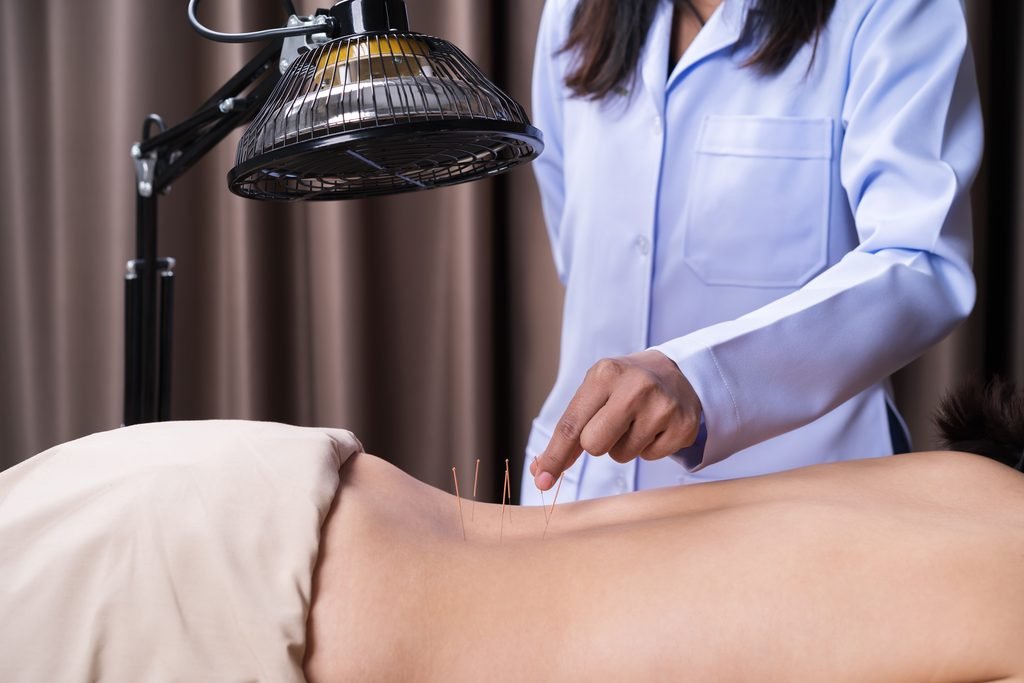
Acupuncture for Back Pain
Acupuncture is highly effective for many acute and chronic pain conditions, including back pain and sciatica.
Treatment begins with an assessment of the condition and the factors contributing to the pain.
Acupuncture points are selected according to the individual’s presentation. Points may be located in the legs, arms, hands, abdomen, or back rather than being limited to the painful area.
Balance Method Acupuncture is particularly focused on creating rapid changes in pain and movement by using precise acupuncture points throughout the body.
Treatment can help:
- Reduce pain
- Release muscular tension
- Reduce inflammation
- Improve mobility
- Calm protective muscle spasm
- Improve circulation
- Reduce nerve-related discomfort
- Restore balance throughout the body
For acute disc-related pain or severe sciatica, treatments are often scheduled more frequently initially. As the pain improves and stabilizes, treatments can be spaced further apart.
Chinese Medicine Diagnosis for Back Pain
In Chinese medicine, back pain is assessed according to the individual pattern rather than simply the location of the pain.
The practitioner considers factors such as the onset of the condition, physical activity, posture, movement, lifestyle, digestion, sleep, stress, and other aspects of the person’s overall health.
Chinese medicine also examines the relationship between the spine, muscles, meridians, and internal organ systems.
This provides another layer of assessment when developing an individualized acupuncture treatment plan.
Acupuncture for Inflammation and Muscle Spasm
Severe back pain and disc-related conditions often produce significant protective muscle tension.
The muscles tighten around the affected area in an attempt to protect the spine. Unfortunately, this protective response can itself become a major source of pain and restricted movement.
Acupuncture can help relax these muscles and reduce the intensity of the protective spasm.
Appropriate stretching and strengthening exercises can then help restore normal movement and reduce the likelihood of repeated episodes.
Case Study: Acupuncture for Back Pain
James, 35, came to Elad Shalev after five months of severe back pain and regular use of painkillers.
A CT scan showed a herniated disc between L4-L5. The pain radiated from the lower back into the right leg, accompanied by paresthesia and significant discomfort.
James was considering surgery following his doctor’s recommendation. Because of his concerns about surgery, he decided to try acupuncture first.
Treatment was performed using Balance Method Acupuncture.
Initially, James rated his pain at 9 out of 10. Following the first treatment, the pain decreased to 3 out of 10.
The pain returned two days later, again reaching a high intensity. During the first month, treatment was performed twice a week.
With each treatment, the pain took longer to return and became less intense.
As his condition improved, the frequency of treatment was reduced. James was also instructed to perform specific exercises to stretch the back muscles and strengthen the abdominal muscles.
After approximately 15 treatments, his condition had almost completely resolved. He then began swimming twice a week to maintain his general fitness and continue strengthening his back.
This case demonstrates how acupuncture can be combined with appropriate exercise and lifestyle changes to address both pain and the factors affecting recovery.

Recall Healing for Back Pain and Disc Herniation
Recall Healing works with the subconscious emotional root of symptoms.
From the Recall Healing perspective, physical symptoms can be linked to unresolved emotional conflicts and subconscious patterns that have developed through personal experiences, childhood, family history, and lineage.
For back pain, the Recall Healing process explores the emotional circumstances surrounding the person and the particular location of the symptoms.
A Recall Healing consultation involves a detailed conversation designed to identify the subconscious conflict connected with the symptom.
The objective is to bring the subconscious pattern into conscious awareness so that the emotional conflict can be understood and released.
Back Pain Areas and Related Emotional Conflicts
In Recall Healing, different areas of the back can be associated with different emotional themes.
Neck pain can be associated with feelings of injustice or unfairness.
Middle back pain can be connected with the feeling that there is no one to rely on.
Lower back pain can be associated with themes involving support, family, children, giving birth, sexuality, and security.
These are starting points rather than assumptions about a person’s individual situation.
Recall Healing examines the specific emotional conflict underlying the symptom.
The location of the pain, the timing of its appearance, significant life events, family history, and recurring emotional patterns are all examined to identify the individual subconscious pattern.
Why Do We Get Back Pain?
People can experience emotional conflicts without developing back pain.
From the Recall Healing perspective, symptoms can develop when an emotional conflict becomes intense, prolonged, or unresolved.
The subconscious mind continues to carry the unresolved pattern, while the body can express the conflict through a physical symptom.
Recall Healing brings these subconscious patterns into conscious awareness.
Once the underlying emotional conflict is identified, the person can understand the pattern, change their relationship to it, and release the associated emotional response.

Subconscious and Back Pain
A subconscious pattern can influence the way a person responds to stress, relationships, responsibilities, and difficult life circumstances.
Recall Healing explores these patterns and identifies the emotional conflict connected with the physical symptom. For chronic back pain, Recall Healing can be combined with acupuncture, stretching, and physical rehabilitation.
Balance Method Acupuncture works directly with physical symptoms and the body’s balance, while Recall Healing explores the subconscious emotional root of the condition.
This combination can be particularly valuable when physical symptoms continue to recur despite addressing the mechanical or muscular factors.
Tui Na for Back Pain
Tui Na is a traditional Chinese therapeutic massage technique that works with muscles, tendons, joints, and meridians.
It can be used to release muscular tension, improve mobility, and support recovery from back pain.
Tui Na can be incorporated into a broader treatment plan when muscular tension is a significant part of the condition.
Shiatsu for Back Pain
Shiatsu uses pressure applied to specific areas of the body to relax muscles and improve overall circulation and mobility.
Like Tui Na, it can be particularly useful when muscular tension contributes to back pain.
Medical Massage Treatment for Disc Herniation
Medical massage can also be useful for back pain and disc-related conditions.
Treatment may focus on the back, legs, and surrounding muscles, together with appropriate stretching and mobility work.
The therapist should have appropriate training and experience working with back and disc conditions. Excessive pressure directly over an irritated area can aggravate symptoms, so treatment should be adapted to the individual’s condition.
Chiropractic Treatment for Disc Herniation
Chiropractic care can be useful for certain types of back pain and spinal dysfunction.
The appropriate treatment depends on the diagnosis, the condition of the spine, and the individual’s symptoms. When dealing with a disc herniation or significant nerve symptoms, a proper assessment is important before aggressive spinal manipulation is performed.
Reflexology for Back Pain
Reflexology uses pressure points on the feet as part of a therapeutic approach to the body.
Because it does not require direct pressure on the painful area, it can be used when touching the back is uncomfortable.
Reflexology can be incorporated into a broader treatment plan focused on relaxation, circulation, and the reduction of muscular tension.
Acupuncture for Back Pain & Sciatica in Whitecourt and Surrounding Areas
Back pain and sciatica can significantly affect movement, work, sleep, and everyday life.
Elad Shalev, Dr. Ac. provides individualized acupuncture treatment using Balance Method Acupuncture to address acute and chronic back pain, sciatica, muscular tension, and disc-related pain.
Acupuncture treatments are available in Whitecourt, Woodlands County, Barrhead, and surrounding areas.
For chronic or recurring back pain where emotional and subconscious patterns are also involved, Recall Healing consultations are available online worldwide.
If back pain or sciatica is interfering with your daily life, book a consultation with Elad Shalev to develop an individualized treatment approach.

Frequently Asked Questions
Can acupuncture help back pain?
Yes. Acupuncture is commonly used for both acute and chronic back pain and can help reduce pain, muscular tension, and inflammation while improving movement.
Can acupuncture help sciatica?
Yes. Acupuncture can be used for sciatic pain, including pain, tingling, and other sensations traveling from the lower back into the leg.
How many acupuncture treatments are needed for back pain?
The number of treatments depends on whether the condition is acute or chronic, the severity of the symptoms, and how the body responds to treatment. Acute back pain may require only a few treatments. Chronic back pain and sciatica generally require a longer treatment period.
Treatment is usually more frequent at the beginning and becomes less frequent as symptoms improve and stabilize.
Can acupuncture help a herniated disc?
Yes. Acupuncture can help reduce pain, muscle spasms, and inflammation associated with a herniated or bulging disc and support the person’s return to normal movement and activity.
Can I receive acupuncture if I have severe back pain?
Yes. Treatment can be adapted to the severity of the condition. When movement is very restricted, acupuncture points can be selected away from the painful area.
Can Recall Healing help with chronic back pain?
Recall Healing addresses the subconscious emotional patterns connected with symptoms. It explores the individual’s personal and family history, as well as emotional conflicts, to identify the subconscious root associated with the condition.
Can acupuncture and Recall Healing be combined?
Yes. The two approaches complement each other. Balance Method Acupuncture works directly with the physical symptoms and the body’s balance, while Recall Healing explores the subconscious emotional root of the condition.